When you hand over a beautifully wrapped hamper, you’re not just giving a gift—you’re delivering a promise of enjoyment, safety, and thoughtful planning. Yet, that promise can crumble faster than a stale biscuit if the expiration date is fuzzy or missing. This article walks you through everything you need to know to select hampers with clear expiration dates, from decoding labels to handling the goodies once they’re in your pantry. Expect practical tips, a dash of humor, and even a short anecdote that proves a little vigilance goes a long way.
Why Expiration Dates Matter in Gift Hampers
Ever opened a festive hamper only to discover a jar of jam that’s turned into a science experiment? It’s an awkward moment that can turn a joyous occasion into a cringe‑worthy memory. Clear expiration information protects three key interests:
Health and safety – Consuming expired dairy, meat, or even certain confectionery can cause food‑borne illness. Taste and texture – Fresh ingredients keep flavors bright; a stale biscuit is a sad biscuit. Value for money – Nobody wants to toss out a pricey bottle of olive oil after a week because it was already past its prime. A friend of mine, Sarah, once received a “deluxe holiday hamper” that included a cheese platter. She assumed the cheese would last through the New Year, only to find it had gone sour a day after Christmas. The disappointment was palpable, and the cheese‑related drama became the punchline at every family dinner that year. Sarah’s experience underscores why the phrase “clear expiration dates” isn’t just a marketing buzzword—it’s a cornerstone of gift‑giving confidence.> “The best gift is one that keeps on giving, not one that expires before it’s even opened.” – Anonymous
How to Spot Clear Expiration Information
Finding a hamper that proudly displays its shelf‑life isn’t always as straightforward as scanning a supermarket aisle. Below are the detective‑style steps you can take to ensure you’re not walking into a time‑bomb.
Read the Label Like a Detective
- Look for a dedicated “Best Before” or “Use By” line. These terms are legally required on most perishable goods. Check the font size and placement. A tiny, tucked‑away date is as useful as a whisper in a hurricane. Verify the date format. Some manufacturers use DD/MM/YYYY, others use MM/DD/YYYY—make sure you’re interpreting it correctly.
Ask the Supplier the Right Questions
- “Can you confirm the expiration date for each perishable item?” “Do you provide a printed sheet with all dates listed?” “Is there a guarantee that the hamper will be delivered before the earliest ‘use by’ date?”
Most reputable vendors will answer without hesitation. If they dodge the question, it’s a red flag louder than a smoke alarm.
Types of Hampers That Usually Include Transparent Dates
Not all hampers are created equal. Certain categories tend to be more diligent about dating their contents, simply because the products themselves demand it.
Gourmet Food Collections
These hampers often feature cheeses, cured meats, artisanal Have a peek here chocolates, and specialty oils. Because the flavors can degrade quickly, manufacturers typically label each component individually.
- Cheeses: Expect “Best Before” dates on soft varieties (e.g., brie, camembert). Cured meats: Look for “Use By” dates, especially on items like prosciutto or pâté. Chocolates: While they have a longer shelf life, premium chocolate may still carry a “Best Before” to preserve snap and shine.
Wellness and Spa Packages
A spa hamper might contain scented candles, bath salts, and organic teas. Though these items aren’t perishable in the traditional sense, essential oils and herbal blends can lose potency over time.

- Essential oils: Usually stamped with a “Best Before” that indicates when the aroma starts to fade. Herbal teas: A clear date helps you enjoy the full bouquet before the leaves go flat.
Practical Tips for Managing Expiration Dates After Purchase
Even after you’ve selected hampers with clear expiration dates, the responsibility doesn’t end at the doorstep. Here’s how to keep everything fresh and ready for enjoyment:
- Create a visual inventory. Write the dates on a sticky note and attach it to the fridge or pantry door. Prioritize perishable items. Use a “first‑in, first‑out” system—think of it as a culinary version of the phrase “don’t put all your eggs in one basket.” Store according to instructions. Some items need refrigeration, others thrive at room temperature. Ignoring storage guidelines can accelerate spoilage faster than a gossip chain. Set reminders on your phone. A quick calendar alert a week before a “use by” date can save you from last‑minute panic. Share the bounty early. If a hamper includes more than you can consume, consider gifting portions to friends or coworkers—spreading joy while preventing waste.
Making Your Selection Count
Now that you’re armed with the know‑how, the final step is turning knowledge into action. When you browse online or stroll through a boutique, keep these takeaways in mind:
- Prioritize transparency. A hamper that openly lists each item’s date signals confidence and quality assurance. Balance variety with shelf life. A mix of long‑lasting treats (like crackers) and short‑term delights (like fresh fruit) offers flexibility for any occasion. Consider the recipient’s schedule. If the gift is for a busy professional, choose items that stay fresh longer; for a home‑chef, fresher, shorter‑dated ingredients might be more exciting.
Choosing the right hamper isn’t just about aesthetics; it’s about delivering a gift that remains delightful from the moment it’s unwrapped to the last bite. So the next time you’re tempted by Gifts for men a glossy box with no date in sight, remember the old saying: Don’t judge a book by its cover—judge a hamper by its expiration date.
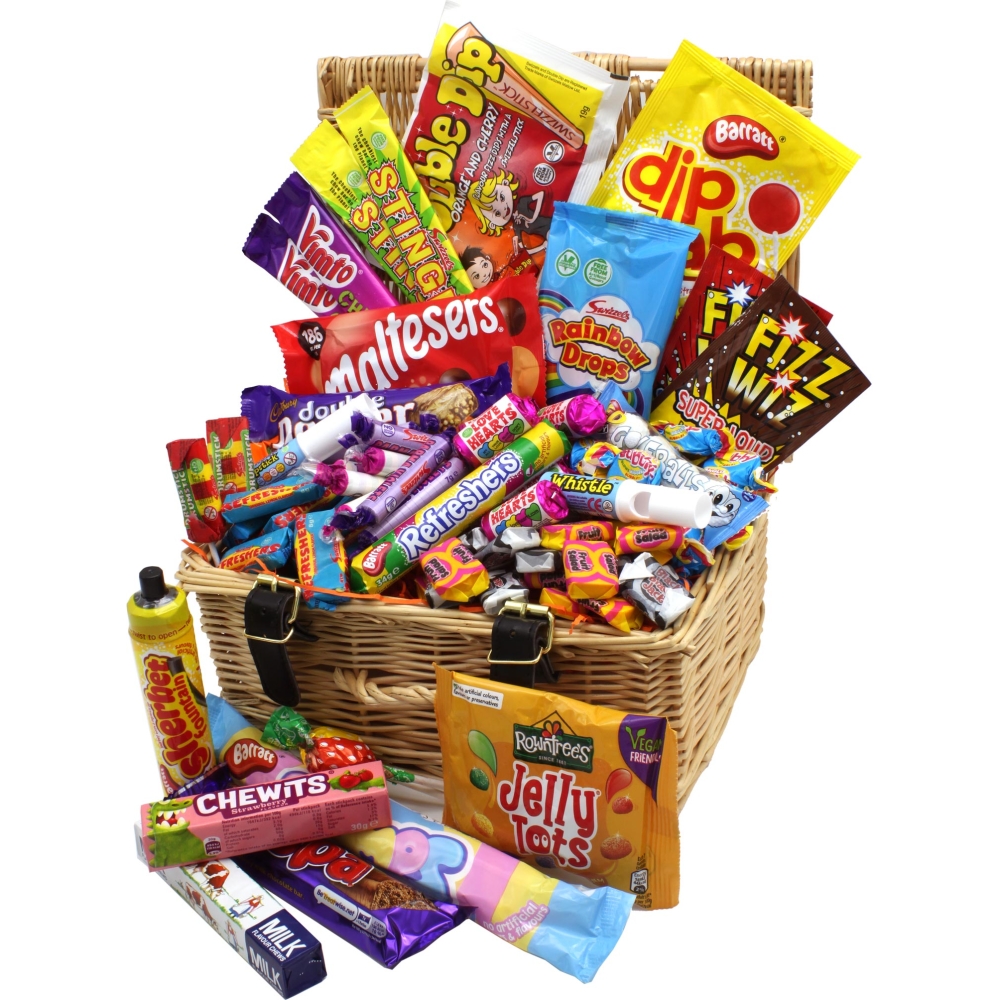
Ready to make a smart, tasty impression? Start your search for hampers that proudly display clear expiration dates, and let the celebrations begin without a single sour note. Happy gifting!